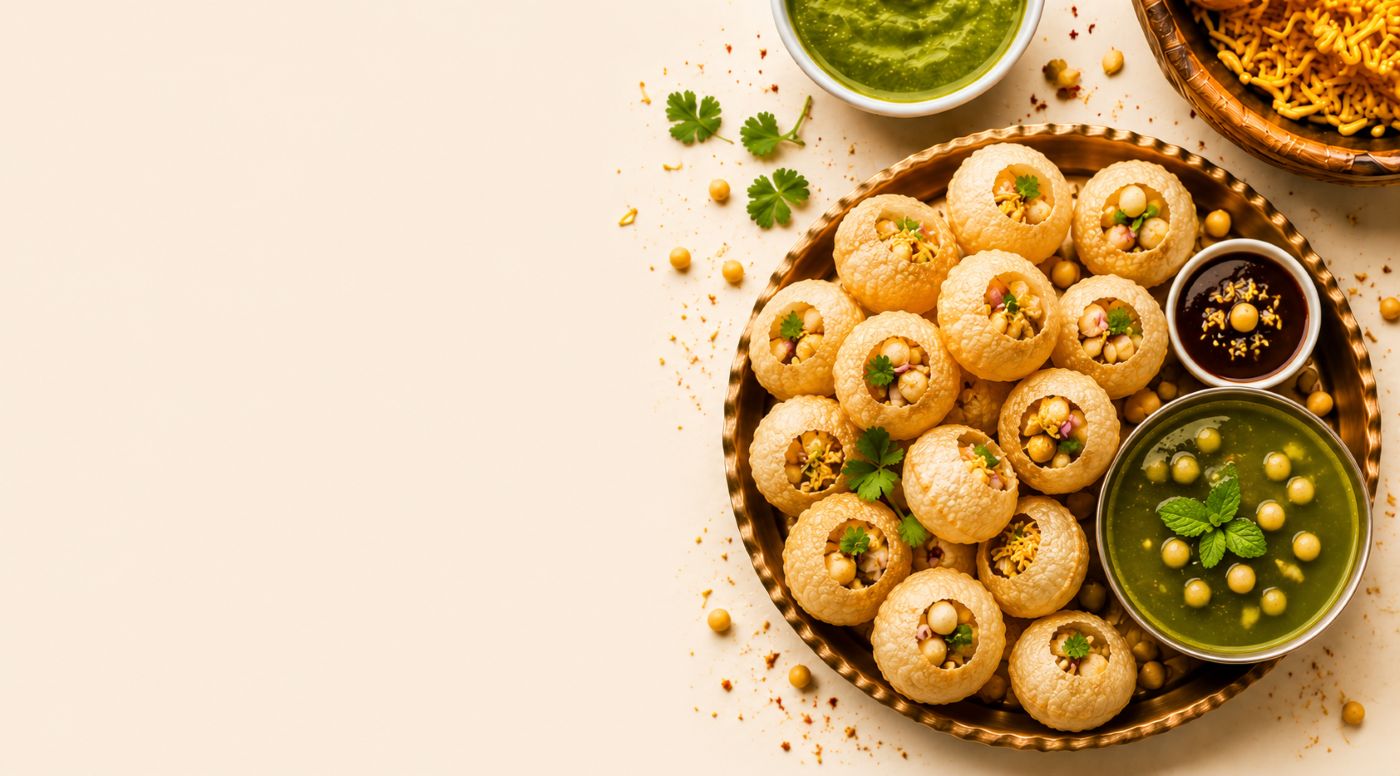
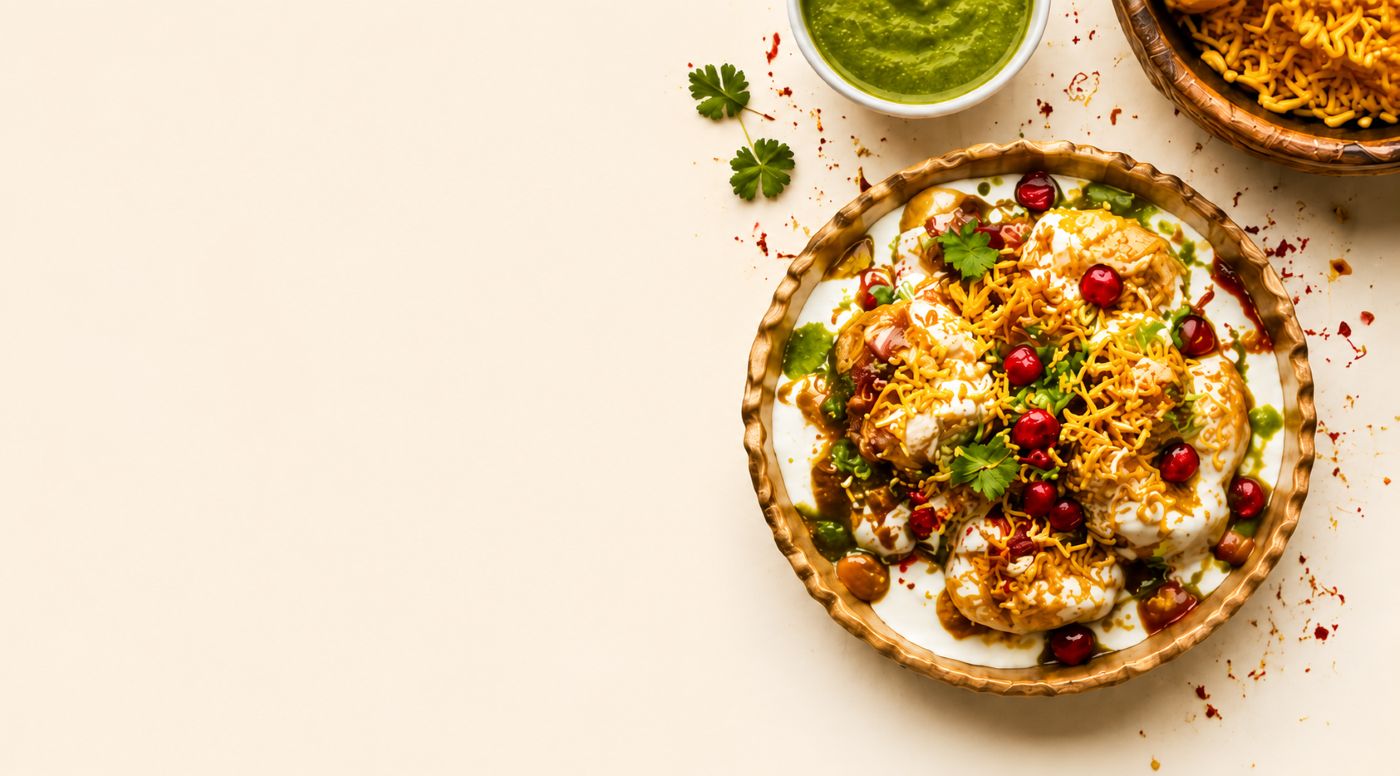
Gorakhpur, the historic city on the banks of the Rapti River, has always been a melting pot of cultures and flavours. Nothing quite defines the spirit of Gorakhpur like its chatpata street food — and at the heart of it all, chaat reigns supreme.
The Origins: From Mughal Courts to Street Corners
The word "chaat" comes from the Hindi verb chaatna — to lick. Historians trace chaat's origins to the Mughal era, when street vendors in Agra and Delhi would sell spiced, tangy preparations near the bazaars. As trade routes expanded through northern India, chaat travelled to Varanasi, Lucknow, and eventually to the bustling streets of Gorakhpur.
Gorakhpur's Chaat Heritage
By the early 20th century, chaat wallahs had become fixtures of Gorakhpur's famous Golghar bazaar. The city's unique geography meant Gorakhpur absorbed influences from Varanasi's Banarasi chaat, Lucknow's refined Awadhi cooking, and the bold rustic flavours of the Bhojpur region — creating Gorakhpur's distinctive chaat identity.
What Makes Gorakhpur Chaat Special?
- The Pani: A unique blend of jaljeera, black salt, mint, and amchur
- The Dahi: Fresh, thick, slightly sweet dahi sourced locally
- The Chutneys: Three-chutney tradition — imli, pudina, and meethi saunth — prepared fresh daily
- The Sev: Fine, crispy sev made fresh and used generously as a topping
At Chaat Chatori, we are proud to be part of this living culinary tradition — carrying Gorakhpur's chaat legacy forward for the next generation.